
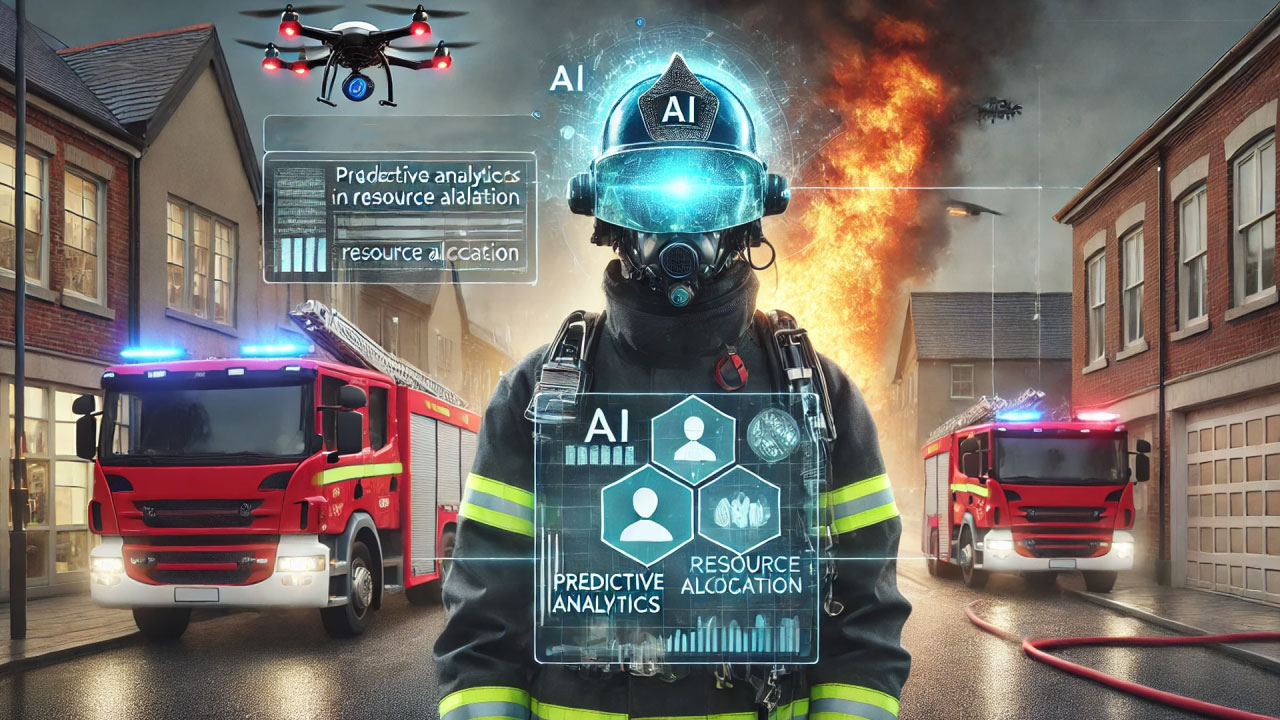
Artificial intelligence (AI) and machine learning are altering arson investigation by providing unique methods for predicting and analysing arson incidents. These technologies not only improve the accuracy of investigations, but also help to avoid future fires.
AI algorithms are capable of evaluating large amounts of data rapidly and efficiently. AI systems can forecast arson hotspots by analysing historical data on fire events, meteorological conditions, socioeconomic factors, and even known arsonists’ behavioral patterns. AI can predict prospective arson-prone locations by recognizing patterns and connections that human investigators may not notice right away, allowing authorities to better allocate resources and execute preventative measures.
Machine learning, a subset of artificial intelligence, improves this prediction potential even more. Machine learning algorithms can be trained on a variety of datasets, learning to spot minor indications that indicate arson. These models’ accuracy improves over time, resulting in more dependable forecasts. This proactive method enables earlier action, potentially preventing fires before they begin.
AI is also transforming the investigative process itself. In the aftermath of a fire, AI-powered systems may evaluate fire scene pictures, accelerant residues, and burn patterns to pinpoint the source and cause. These systems may compare fresh data to existing databases of past arson incidents, allowing investigators to spot similarities and potential culprits more rapidly.
Furthermore, AI helps with behavioral analysis. AI can help profile suspected arsonists by analyzing communication patterns, social media activity, and other digital footprints to identify individuals who display the psychological qualities and behavioral patterns linked with serial arson.
The use of AI in arson investigation not only improves efficiency, but also the precision and depth of analysis. As these technologies advance, their role in anticipating and solving arson cases will become increasingly important, ultimately leading to safer communities and more successful law enforcement techniques.