
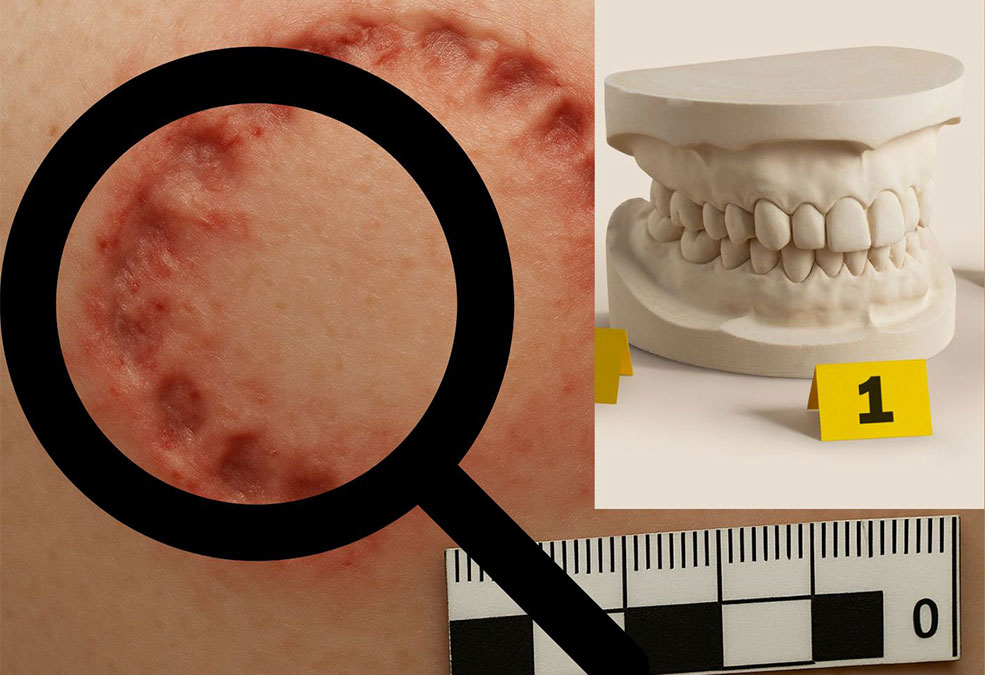
Forensic evidence can appear in the most unexpected locations, even the food we eat. Bite mark analysis is a unique branch of forensic science that looks at the different patterns left by teeth to identify suspects. This unusual yet fascinating strategy has proved critical in several high-profile instances, demonstrating the unexpected relevance of food-related evidence in crime detection.
One well-known example is the case of Ted Bundy, one of America’s most renowned serial killers. During his trial for the murder of Lisa Levy, forensic specialists used bite mark evidence discovered on her body to connect Bundy to the crime. The unique dental impressions matched Bundy’s teeth, giving vital evidence that led to his conviction.
In a more food-related context, the case of the “Hamburglar” in Ohio demonstrated the effectiveness of bite mark analysis. A burglar broke into a home and, before fleeing, nibbled into a block of cheese in the refrigerator. Investigators obtained an impression of the bite mark and compared it to the suspect’s dental records. The match was undeniable, resulting in the burglar’s arrest and conviction. This case demonstrates how seemingly little evidence might turn out to be critical in criminal investigations.
Bite marks on food items are not limited to cheese. In another unusual example, a robber was apprehended after leaving bite marks on a piece of chocolate at the crime scene. Forensic odontologists matched the marks with the suspect’s dental records, sealing his fate. These cases illustrate that criminals often overlook the potential evidence they leave behind, even in their meals.
Forensic odontologists play an important part in these investigations by analyzing bite marks and comparing them to dental records. The procedure entails obtaining images and impressions of the bite marks before making overlays to compare with the suspect’s dental features. This painstaking process necessitates a thorough understanding of dental anatomy as well as the ability to interpret the distinct features of each bite.
While bite mark analysis has helped solve numerous cases, it should be noted that it is not without debate. Critics contend that the procedure might occasionally result in false convictions due to the possibility of subjective interpretation. Advances in DNA analysis have further enhanced the use of bite marks in forensics, frequently employing them in conjunction with DNA evidence.
In conclusion, bite mark analysis on food items demonstrates the unexpected ways forensic evidence can be discovered and used. From cheese to chocolate, the bizarre world of food-related forensic evidence demonstrates how criminals can leave clues in the most improbable locations, ultimately assisting detectives in solving murders.